Scope
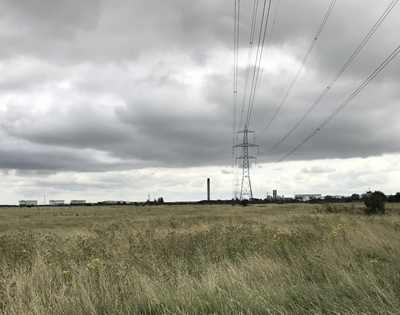
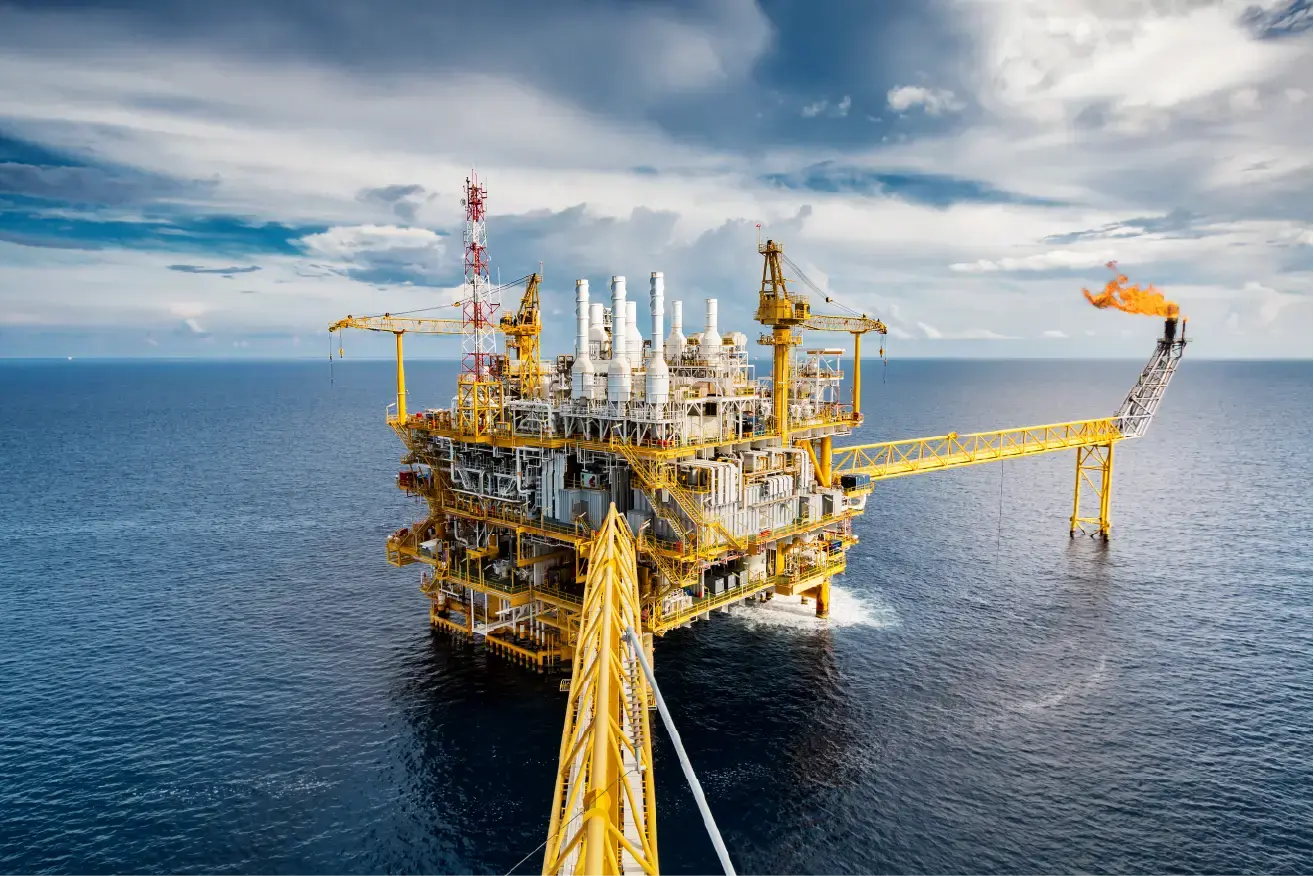
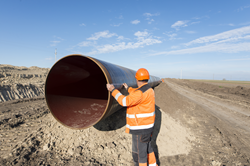
A major onshore and offshore export pipeline had ceased production and entered the early stages of decommissioning. Following cleaning, pigging and seawater flushing activities, approximately 1,200 m³ of residual seawater remained trapped within low-point sections of the onshore pipeline.
The retained water had the potential to affect future decommissioning activities, including planned pipeline interventions and potential grouting works, while also creating environmental considerations associated with its eventual removal
Jee was engaged to undertake a dewatering assessment to support decommissioning planning, evaluate the implications of residual seawater and identify the most appropriate method for removing remaining water prior to further decommissioning works.
Challenge
Following pipeline flushing and draining operations, residual seawater had accumulated within low elevation sections of the pipeline profile. Understanding the location, volume and implications of the trapped water was necessary to support future decommissioning activities.
A key driver was the planned removal of a pig signaller from the onshore pipeline. Without prior dewatering, retained seawater could be released in an uncontrolled manner to the surrounding environment. In addition, residual seawater had the potential to increase the technical complexity of any future grouting operations and could influence longer-term pipeline degradation mechanisms.
Solution
The assessment provided a clear technical basis for understanding the implications of residual seawater and the feasibility of available dewatering options. Water accumulation analysis was used to identify areas requiring targeted intervention and to support comparison of the proposed dewatering methods. The study screened and ranked potential dewatering approaches and identified a preferred strategy based on technical feasibility, environmental considerations and practical execution requirements.
Clear recommendations were developed to support safe and effective removal of residual seawater while minimising unnecessary intervention and environmental risk.
Outcome
The study concluded that:
- Controlled dewatering was required prior to pig signaller removal to prevent an uncontrolled release of retained seawater.
- Approximately 1,200 m³ of residual seawater was identified within low-point sections of the pipeline.
- Residual seawater could increase the complexity and risk associated with future grouting activities if left unmanaged.
- Suction from the existing pig receiver was identified as the preferred solution for localised dewatering associated with pig signaller removal.
- Pigging to offshore was identified as the preferred solution where larger-scale dewatering was required.
For more information email our Head of Decommissioning, Richard Stark at richard.stark@jee.co.uk or visit our Decommissioning page here.


 Jee Ltd