Scope
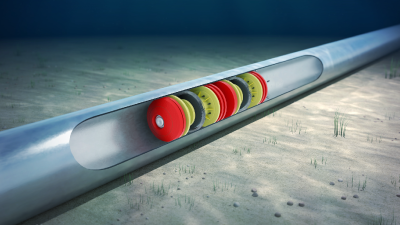
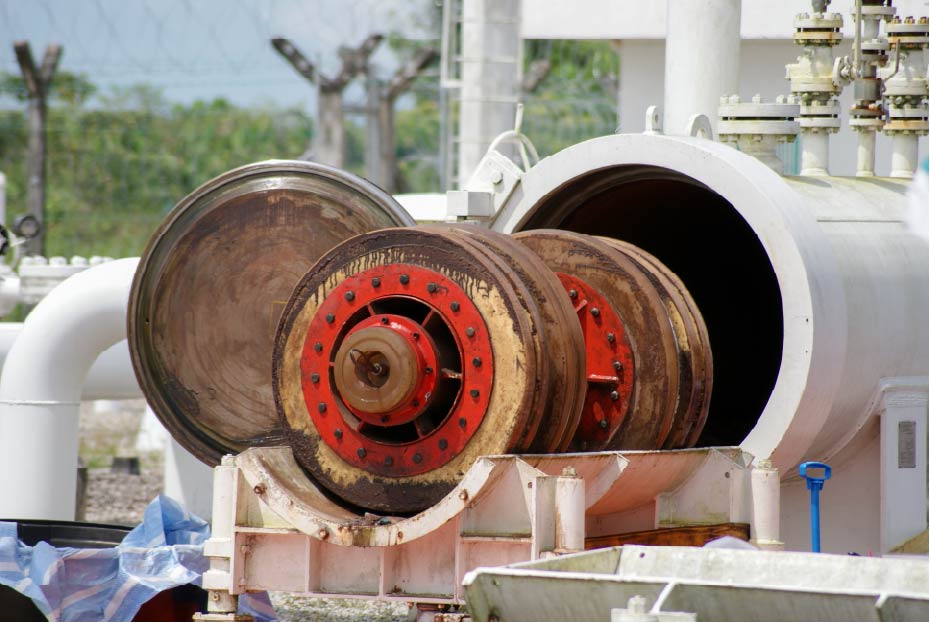
Jee conducted an independent review to assist with the selection of an In-Line Inspection (ILI) tool for a 100 km, 20” gas pipeline which had undergone inspection twice previously. No corrosion defects had been identified, and the previous inspection had identified some challenges with bore restrictions resulting from ovality.
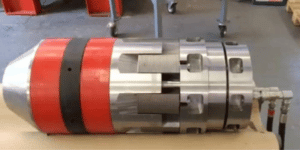
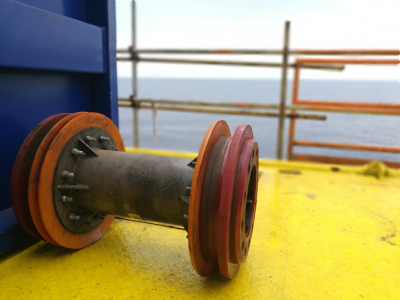
The client selected Jee due to having extensive knowledge of vendor tooling and a robust tool selection process. Jee reviewed the technical proposals submitted by two vendors, assessing the capability and suitability of the tools proposed against the pipeline specifics. A total of three tools were proposed, and based on the provided information, Jee recommended the most technically suitable ILI tool and provided recommendations related to the selected ILI tool to optimise the likelihood of success and mitigate execution risk. This was not the same tool used previously for a key reason.
Solution
One of the proposed tools was previously selected to inspect the pipeline but no evidence of corrosion was identified. After following Jee’s inhouse tool selection process, it was found that the performance specification of the previously used tool was not fully compliant with the wall thicknesses present throughout the pipeline. This raised the question as to whether corrosion was not identified because it is not present, or because the selected tool was not fully compatible with the thicker wall sections of the pipeline, which coincide with the sections most prone to the anticipated corrosion mechanism.
The tools were evaluated for their ability to detect and size defects across the full range of wall thicknesses, their compatibility with pipeline geometry, operational constraints, and safety requirements. Jee prepared a detailed report that included technical comparison tables, highlighting key differences.
Although the most technically suitable tool was not ATEX compliant, Jee proposed mitigations that could be put in place to manage the associated risk, ensuring that the tool could be used safely and the inspection aims would be met. Further recommendations were made to mitigate the risk of stick-slip behaviour which posed a high likelihood of tool velocity excursions and reduced performance resulting from the low pressure in the gas pipeline.
For more information, visit https://www.jee.co.uk/pigging.
To contact our Head of Pigging, Sean Tucker, email Sean.Tucker@jee.co.uk, or call +44 (0)1732 371 371.


 Jee Ltd