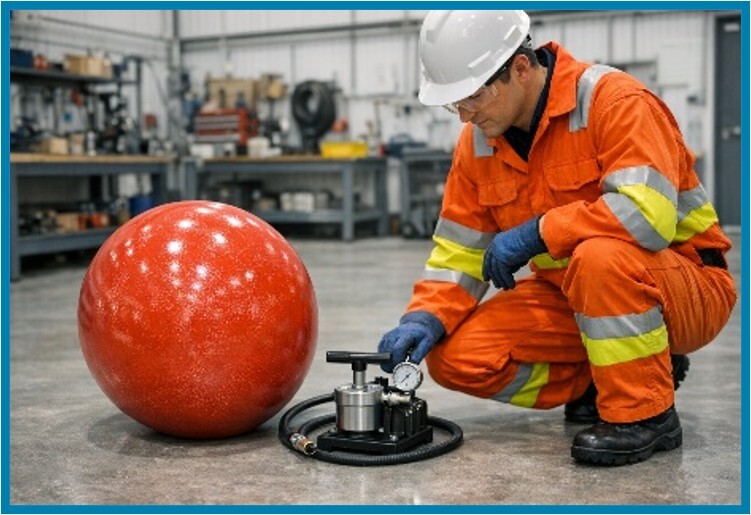
Material selection plays a fundamental role in safe and reliable pipeline and subsea system design. The choice of material is driven by the fluid being transported, operating pressures and temperatures and the required resistance to corrosion. Steel remains the most widely used material due to its strength and durability although alternative materials such as composite plastics are used in some applications. These decisions directly influence long term performance and the level of corrosion control required.
Designing for durability in challenging environments
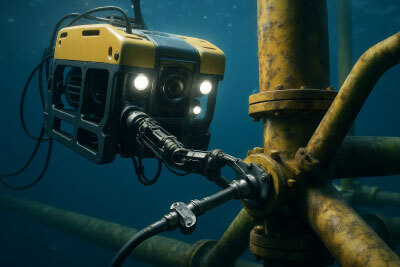
Subsea pipelines are exposed to harsh environmental conditions including seawater, low temperatures and dynamic loads. To protect steel from external corrosion a combination of coatings and cathodic protection is used. Coating systems form the first barrier against seawater while cathodic protection ensures controlled electrochemical behaviour to prevent material loss. Internal corrosion also needs careful consideration due to produced water and impurities which can trigger corrosion rates if not managed appropriately.
Understanding corrosion threats
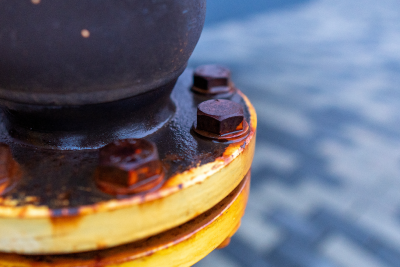
Corrosion is a natural chemical process that leads to the loss of material or loss of strength in metallic components. It requires metal, an electrolyte and electrochemical potential. Seawater, water in produced fluids and water injection all introduce chlorides and oxygen which increase corrosion risk. Identifying the type of corrosion and the conditions that drive it is essential when planning protection measures and long term inspection strategies.
Protection methods that extend asset life
A combination of coating systems, cathodic protection and chemical methods forms the backbone of external and internal corrosion prevention in subsea and onshore pipelines. External coatings act as a primary barrier while cathodic protection prevents corrosion where coatings are damaged. Internal corrosion is managed through chemical control, monitoring and inspection. These measures work together to reduce deterioration and support safe operation throughout the asset lifecycle.
Integrating corrosion management into lifecycle decisions
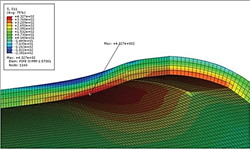
Integrity management requires consistent monitoring and assessment of corrosion behaviour. This includes corrosion rate modelling, defect categorisation and determining fitness for service. These assessments help define inspection intervals and identify when mitigation or repair is required. Understanding the remaining life of a component supports operators in making informed decisions about repair, replacement or repurposing especially as assets age and budgets tighten.
Responding to ageing infrastructure and operational pressures
As many pipeline systems now operate well beyond their original design life, structured corrosion management becomes essential. Operators continue to face increasing cost pressure and workforce shortages which makes reliable engineering support more important. Corrosion monitoring, defect assessment and material selection guidance help maintain asset reliability and reduce unplanned intervention. These measures are critical at a time when operators are managing volatile markets, tighter margins and rising decommissioning demands.
Supporting operators through the full asset lifecycle
Jee’s combined experience in design, material selection and corrosion management ensures operators receive consistent support from concept through to decommissioning. From specifying coatings and cathodic protection systems to delivering corrosion defect assessments and ongoing integrity management programmes the focus is always on safe operation and long-term value. This lifecycle approach is essential as customers navigate ageing infrastructure, rising operational costs and evolving energy transition expectations.


 Jee Ltd